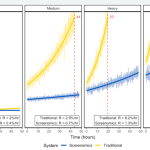
We propose the Stanford Screenomics platform as a software reference architecture that uses a modular design to integrate parallel processing and edge computing, enabling scalable, real-time digital phenotyping on smartphones...
Read more about Software Reference Architecture for Real-Time Mobile Digital Phenotyping: Evaluation of System Designs
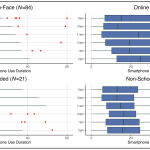
Adolescent smartphone use in school and how it shapes learning and development have attracted substantial attention. Yet, objective data on digital behavior during school hours are limited...
Read more about Smartphone use among adolescents during school hours: High-intensity objective observations across different instructional contexts

"Health science has mapped our genome, microbiome, and environment; but everyday behavior has remained largely invisible. This post explores the "Screenome," a new frontier that captures the digital traces of daily life and opens a powerful lens on how behavior shapes health."
Read more about The Screenome: Unlocking the New Science of Everyday Life

"Stanford scientists have released an open-source platform that lets health researchers study the “screenome” – the digital traces of our daily lives – while protecting participants’ privacy."
Read more about What Your Phone Knows Could Help Scientists Understand Your Health
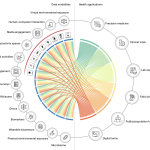
We developed an open-source platform that enables in situ capture of multimodal digital traces from smartphones (for example, moment-by-moment capture of screenshots, application usage logs, interaction histories and phone sensor readings)...
Read more about An open-source platform for multimodal digital trace data collection from smartphones

The Stanford Screenomics Project introduces an open-source platform for Screenomics
research, enabling in-situ, real-time capture of multimodal digital traces from users’ smartphones as they go about their everyday lives.
Read more about The Screenomics Data Collection App